
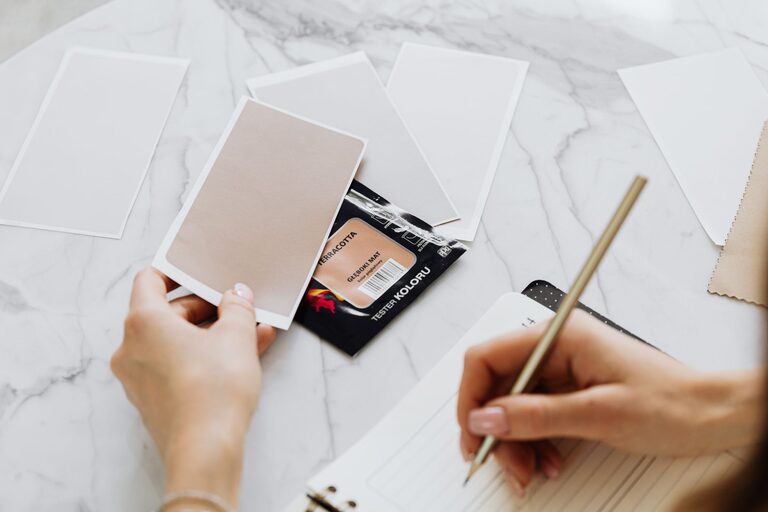
Choosing the right notebook might seem like a simple task, but many people find themselves with notebooks that sit unused, gathering dust on a shelf. Whether you want a notebook for work, school, journaling, or creative projects, selecting one that you’ll actually use requires some thought about how you plan to use it and what inspires you to write.
In this guide, we’ll explore key factors to consider when choosing a notebook, so you can find the perfect companion to keep your ideas flowing.
Why Choosing the Right Notebook Matters
A notebook is more than just paper and a cover—it’s a tool that can help you stay organized, track your thoughts, and express your creativity. When you pick a notebook that suits your needs, you’re more likely to use it consistently, which can improve productivity and even mental well-being.
Consider Your Purpose
Before you buy a notebook, think about what you want to use it for. Different purposes may require different notebook features.
Common Notebook Uses
– Note-taking: for school or work meetings
– Journaling: daily reflections or gratitude
– Planning: to-do lists and goal tracking
– Creative writing or sketching
– Idea capture: quick notes on the go
Understanding your primary use will guide your choice in size, paper type, and layout.
Choose the Right Size
Notebooks come in many sizes, from pocket-sized to large formats.
– Pocket-sized (A6 or smaller): Great for quick notes and carrying anywhere, but limited space.
– Medium (A5): Popular size, easy to carry and offers enough space for detailed notes.
– Large (A4 and above): Ideal for extensive writing or sketching but less portable.
Consider where and how you’ll use your notebook most often.
Decide on the Binding Type
The binding affects how your notebook opens and closes, as well as how easy it is to write on flat pages.
– Spiral-bound: Lay flat easily, good for note-taking but can be bulky.
– Perfect-bound (glued spine): Sleek appearance but may not open flat.
– Sewn binding: Durable and can open flat; often found in high-quality notebooks.
– Disc-bound: Allows removing and rearranging pages.
Choose what feels comfortable for your writing style and intended use.
Pick the Paper Type and Quality
Paper quality can affect your writing experience, especially depending on your preferred writing instruments.
– Weight: Higher weight (measured in gsm) means thicker paper, which reduces bleed-through.
– Texture: Smooth paper is good for pen and pencil; textured paper suits sketching.
– Color: White, cream, or off-white—choose what reduces eye strain for you.
If you use markers, fountain pens, or watercolors, look for paper that can handle these mediums without feathering or bleeding.
Select the Layout That Matches Your Needs
Notebooks come with different page layouts. Choosing the right one helps keep your notes organized.
– Lined: Best for writing and note-taking.
– Blank: Ideal for sketching and freeform note-taking.
– Dotted: Flexible for writing, drawing, and bullet journaling.
– Grid: Useful for diagrams, charts, and precise drawings.
Consider how structured or freeform your notes need to be.
Think About Additional Features
Some notebooks include extras that can enhance your experience:
– Bookmarks or ribbons: Easy access to your current page.
– Elastic closures: Keep the notebook closed and pages protected.
– Pockets: Store loose notes or receipts.
– Numbered pages and indexes: Helpful for organizing and finding content quickly.
Decide which features will make your notebook more functional for your habits.
Consider the Aesthetic
A notebook that looks appealing is more inviting to use. Choose a cover material and design that reflects your style—whether it’s classic leather, colorful patterns, or eco-friendly recycled paper.
Eco-Friendly Options
If sustainability matters to you, look for notebooks made from recycled or sustainably sourced materials. Some brands emphasize environmental responsibility without compromising quality.
Tips to Encourage Regular Use
Even with the perfect notebook, forming a habit to use it is key.
– Keep your notebook in a visible, accessible place.
– Set a daily or weekly time to write.
– Use your notebook for multiple purposes to increase engagement.
– Pair it with your favorite pen or pencil.
Final Thoughts
Choosing a notebook that you’ll actually use takes a little planning but pays off by turning your writing into a consistent and enjoyable habit. Reflect on your needs, preferences, and style to find a notebook that not only fits your tasks but also inspires you to put pen to paper regularly.
Happy writing!