
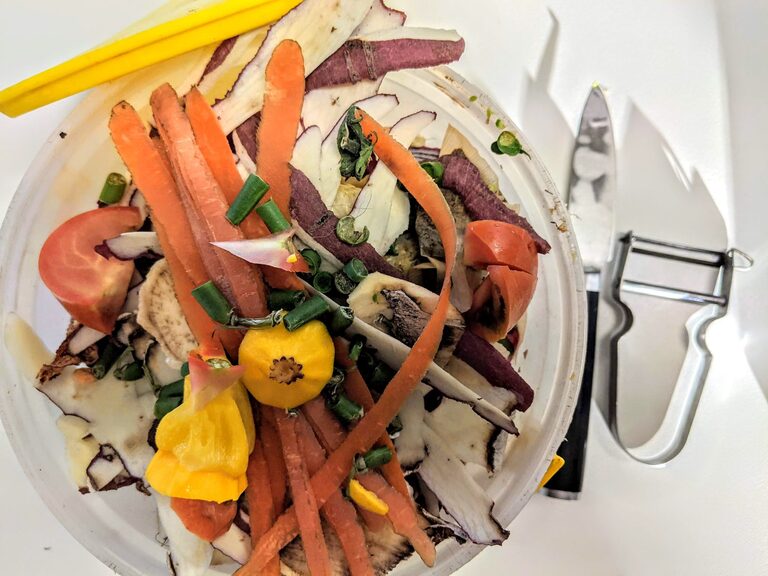
Reducing food waste at home is a simple yet powerful way to save money, conserve resources, and protect the environment. Each year, a significant amount of food is discarded unnecessarily, often because of poor planning or lack of awareness. By adopting some practical habits, you can make a noticeable difference in how much food you throw away. This guide will explore effective strategies to help you reduce food waste in your daily life.
Understanding the Impact of Food Waste
Before diving into tips, it’s helpful to realize why reducing food waste matters. Wasted food means wasted money, energy, water, and labor that go into producing, transporting, and storing that food. Additionally, food that ends up in landfills produces methane, a potent greenhouse gas contributing to climate change. By cutting down on waste, you contribute to a healthier planet and a more sustainable lifestyle.
Plan Your Meals and Shopping
Make a Weekly Meal Plan
Creating a meal plan for the week helps you buy only what you need. When you know what you want to cook each day, you avoid purchasing items that may spoil before use.
Shop with a List
Use your meal plan to write a shopping list. Stick to it while shopping to avoid impulse buys that might go unused.
Buy in Appropriate Quantities
Purchase fresh produce and perishable items in quantities you can realistically consume before they spoil.
Store Food Properly
Use Airtight Containers
Store leftovers and perishables in airtight containers to keep them fresh longer.
Understand Storage Needs
Different foods have different storage requirements. For example, some fruits like apples and bananas emit gases that can speed up spoilage of nearby vegetables. Keep these foods separate and refrigerated if needed.
Freeze Excess Food
If you have surplus ingredients or cooked meals, freeze them for later use. Freezing helps preserve food quality and extends shelf life.
Get Creative with Leftovers
Repurpose Leftovers
Transform leftovers into new meals. For example, use roasted vegetables in salads or soups, and turn stale bread into croutons or breadcrumbs.
Use Vegetable Scraps
Make vegetable stock from carrot peels, onion skins, and other scraps instead of tossing them.
Mind Portion Sizes
Serve portions sized appropriately to reduce uneaten food on plates.
Monitor Expiration Dates
Understand Labels
“Best before” dates indicate quality rather than safety, so many foods may still be good after these dates. “Use by” dates are more critical for safety.
Rotate Pantry Items
Practice first-in, first-out by placing newer items behind older ones to use up food before it expires.
Compost What You Can’t Use
If food scraps are unavoidable, composting is an eco-friendly way to handle organic waste. Composting returns nutrients to the soil and reduces landfill waste.
Educate Your Household
Encourage everyone in your home to be mindful of food waste. Share these tips and create a culture of sustainability together.
Benefits of Reducing Food Waste
– Save Money: Less food thrown away means lower grocery bills.
– Save Time: Planning and organizing reduces frequent trips to the store.
– Help the Environment: Reducing waste cuts greenhouse gas emissions and conserves resources.
– Improve Nutrition: Cooking at home with fresh ingredients encourages healthier eating.
Final Thoughts
Cutting down on food waste is easier than it seems and makes a meaningful impact when practiced consistently. Start small by planning meals or freezing leftovers, then build more habits over time. Your efforts not only benefit your household budget but also contribute positively to the planet. With mindful shopping, smart storage, and creative cooking, reducing food waste at home is an achievable goal for everyone.