
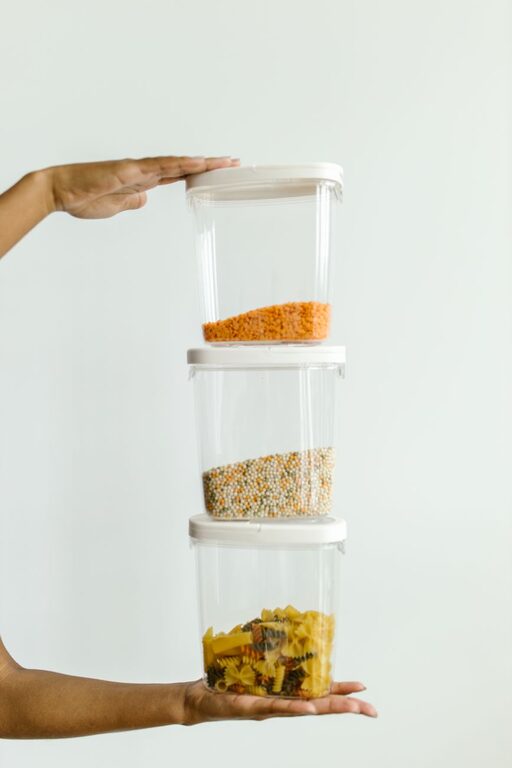
Planning meals from pantry staples is a fantastic way to save time, reduce food waste, and keep your grocery budget in check. Whether you’re facing a busy week or trying to make the most of what you already have, using pantry ingredients can inspire creative and satisfying meals. In this post, we’ll walk you through how to plan meals effectively using pantry staples, including tips on organizing your pantry, choosing versatile ingredients, and meal ideas you can try right away.
Why Plan Meals from Pantry Staples?
Pantry staples are the foundation of many recipes. These are non-perishable or long-lasting items that you can store easily, such as canned goods, dried grains, and spices. Planning meals around what you already have helps:
– Save money by reducing last-minute takeout or extra grocery trips
– Cut down on food waste by using items before they expire
– Make cooking less stressful when you’re short on fresh ingredients or time
Step 1: Take Stock of Your Pantry
Before you start planning, it’s important to know what you have. Set aside some time to:
– Check expiry dates: Toss anything expired or stale.
– Group similar items: For example, put all canned beans, pasta, or spices together.
– Note versatile staples: Rice, pasta, canned tomatoes, beans, and broth can form the base of many meals.
Keep a list or photos of your pantry items on your phone for quick reference when meal planning.
Step 2: Choose Versatile Staples to Keep on Hand
A well-stocked pantry includes items that can be used across different cuisines and recipes. Some pantry essentials that work well for meal planning include:
– Grains: Rice, quinoa, pasta, couscous, and oats
– Canned goods: Beans (black, chickpeas, kidney), tomatoes, corn, tuna
– Baking essentials: Flour, baking powder, sugar
– Cooking oils: Olive oil, vegetable oil
– Broths and stocks: Chicken, beef, vegetable broth
– Spices and herbs: Salt, pepper, garlic powder, cumin, chili powder, dried basil, oregano
These staples allow you to mix and match ingredients to create a variety of meals.
Step 3: Plan Meals Around Pantry Staples
When planning, think of your pantry staples as the base and then add fresh or frozen ingredients as available. Here are some strategies:
Create a Recipe List
Compile a list of recipes that use your common pantry items. For example:
– Pasta with tomato sauce: Canned tomatoes + pasta + garlic + olive oil
– Bean chili: Canned beans + canned tomatoes + chili powder + onions
– Rice and beans: Rice + canned beans + spices
– Tuna salad: Canned tuna + mayo + relish or chopped veggies
Mix and Match Ingredients
Try pairing staples differently to avoid mealtime monotony:
– Use chickpeas one night for curry and another day for roasted snacks.
– Swap pasta for rice in dishes like stir-fries or grain bowls.
– Use broth to cook grains for extra flavor.
Batch Cooking and Freezing
Make larger portions of pantry-based meals like soups and stews, then freeze leftovers for easy reheating later.
Step 4: Supplement With Fresh or Frozen Ingredients
While pantry staples form the meal base, adding fresh or frozen vegetables, proteins, or dairy boosts nutrition and taste. Consider:
– Frozen vegetables like peas, spinach, or mixed veggies that last long and add freshness.
– Fresh seasonal produce from your fridge or local market.
– Eggs, cheese, or yogurt for added protein or creaminess.
Step 5: Use Meal Planning Tools and Templates
To keep your planning organized, use:
– Weekly meal planner templates: Write down meals based on pantry staples and fresh additions.
– Apps or notes: Track what you have and plan shopping lists.
– Recipe cards: Keep your favorite staple recipes handy.
Sample Meal Plan Using Pantry Staples
Here’s a simple 5-day meal plan to inspire your own:
| Day | Meal |
|———–|—————————————–|
| Monday | Pasta with tomato sauce and canned mushrooms |
| Tuesday | Chickpea curry with rice and frozen spinach |
| Wednesday | Tuna salad sandwiches with pickles and bread |
| Thursday | Black bean chili with canned tomatoes and rice |
| Friday | Vegetable stir-fry with couscous (using frozen mixed veggies) |
Tips for Success
– Keep your pantry tidy to easily see what you have.
– Rotate older items to the front to use them first.
– Experiment with spices to change flavors without new ingredients.
– Keep staple recipes simple to save time and effort.
– Involve family or roommates in choosing recipes to increase variety.
Conclusion
Planning meals from pantry staples is a practical and creative way to manage your kitchen and meals. By knowing what you have, selecting versatile ingredients, and layering in fresh components, you can enjoy nutritious, delicious meals with minimal stress. Start your pantry meal planning today and enjoy the convenience and satisfaction it brings!
—
Planning with pantry staples not only helps you stay organized but also encourages healthier, more budget-friendly cooking. Happy cooking!