
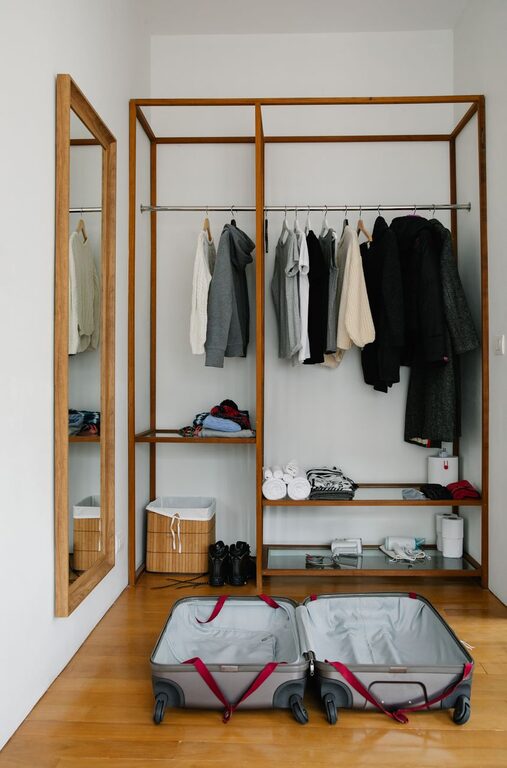
Storing seasonal clothes efficiently is a common challenge for many people. When the weather changes, swapping wardrobes can feel overwhelming, especially if you lack space or an organized system. Proper storage not only saves room but also protects your garments, making them last longer and easier to find. In this post, we’ll guide you through practical steps to keep your seasonal clothes neat, accessible, and in great condition.
Why Efficient Seasonal Clothing Storage Matters
Before diving into storage methods, let’s consider why organizing your seasonal clothes is important:
– Saves Space: Off-season clothes can take up valuable room if left in everyday closets.
– Protects Your Clothes: Proper storage prevents damage from dust, moisture, pests, and wrinkles.
– Eases Transitions: When the seasons change, a good system means less stress and faster outfit choices.
– Extends Garment Life: Storing clothes correctly reduces wear and tear.
Preparing Clothes for Storage
Clean Everything First
Always wash or dry-clean your clothes before storing. Dirt, oils, and stains can attract insects and cause fabric damage over time.
– Follow Care Labels: Use the recommended cleaning method for each item.
– Dry Thoroughly: Make sure clothes are completely dry to avoid mold and mildew.
Repair and Sort
Now is a good time to fix minor damages like loose buttons or small tears. Also, sort clothes by type and size for easier packing and unpacking.
Choosing the Right Storage Containers
Types of Containers
The container you use plays a big role in maintaining your clothes’ condition.
– Plastic Bins with Lids: Stackable and moisture-resistant, perfect for most fabrics. Choose clear bins to see contents at a glance.
– Garment Bags: Great for delicate or wrinkle-prone items like suits, dresses, or coats. Use breathable fabric bags instead of plastic to avoid condensation.
– Vacuum-Seal Bags: Save a lot of space by compressing bulky items like winter coats or sweaters, but avoid using them for delicate, easily crushed fabrics.
Avoid These Containers
– Cardboard boxes can attract pests and absorb moisture.
– Plastic bags without ventilation can trap moisture, causing mildew.
Organizing Your Seasonal Clothes
Label Everything
Label your storage containers clearly with the contents inside. This saves you from opening multiple boxes searching for a particular item.
Group by Category
Organize clothes by type and season:
– Tops, bottoms, outerwear, accessories
– Everyday wear vs. special occasions
Use Dividers and Organizers
Inside bins or drawers, use small dividers or packing cubes to separate garments and accessories neatly.
Storing Clothes in the Right Environment
Keep It Cool and Dry
Store clothes in a place that stays cool and dry. Avoid attics, basements, or garages if they experience extreme temperatures or humidity.
Avoid Direct Sunlight
Sunlight fades fabrics, so keep containers in shaded or dark areas.
Prevent Pest Damage
Use natural repellents like cedar blocks or lavender sachets to deter moths and insects. Avoid mothballs, as their chemicals can be harmful.
Tips for Packing Specific Types of Clothes
Sweaters and Knits
Fold sweaters to prevent stretching. Avoid hanging them as it can cause loss of shape.
Dresses and Suits
Hang delicate dresses and suits in breathable garment bags to keep them wrinkle-free and protected.
Shoes
Clean shoes before storing. Consider using shoe boxes or clear storage bins with dividers. Stuff the shoes with acid-free tissue paper to keep their shape.
Regular Maintenance and Seasonal Swaps
Check Your Storage Occasionally
Every few months, inspect stored clothes for any signs of moisture, pests, or damage.
Rotate Clothes Seasonally
When you retrieve seasonal clothing, take a moment to refresh your storage system. Donate or discard items that you no longer wear.
Freshen Up Stored Clothes
Before putting clothes back into storage, air them out to prevent musty odors.
Bonus: Space-Saving Hacks
– Use Under-Bed Storage: Store bins in under-bed drawers or containers to save closet space.
– Install High Shelves: Utilize vertical space in closets or storage areas.
– Rolling Racks: Use collapsible rolling racks for easy access and to hang clothes temporarily during swaps.
Conclusion
Efficiently storing your seasonal clothes is all about preparation, choosing the right storage solutions, and maintaining a system that works for your space. With clean, well-organized storage, your clothes will stay fresh and ready to wear when the season changes. Start today by decluttering and packing smart — your future self will thank you!
—
By following these tips, you can create a clutter-free, organized closet that makes seasonal transitions smoother and clothes care easier. Happy organizing!